
Alan’s Story: iTrust Vulnerable
As a parent or family member of someone with a disability, planning for the future can feel overwhelming. It also feels deeply personal. No one wants to imagine a time when they are no longer there to advocate, protect and fight for the person they love.
But I have seen what happens when these conversations are avoided, and I have also seen the peace of mind that comes when the right plans are in place.
This is not just professional for me. It is personal.
My brother Gary has Angelman Syndrome and lives in supported accommodation. As a legacy planner myself, I have helped my own parents make arrangements to ensure Gary would be cared for when they passed away. That planning has made all the difference.
Sadly, many of the people Gary lives with did not have the same structures in place. Some families did not realise what was needed. Others thought proper planning would be too expensive or too complicated. The result can be uncertainty, financial vulnerability and added stress for carers and support networks.
That is why I am so passionate about helping families get this right.
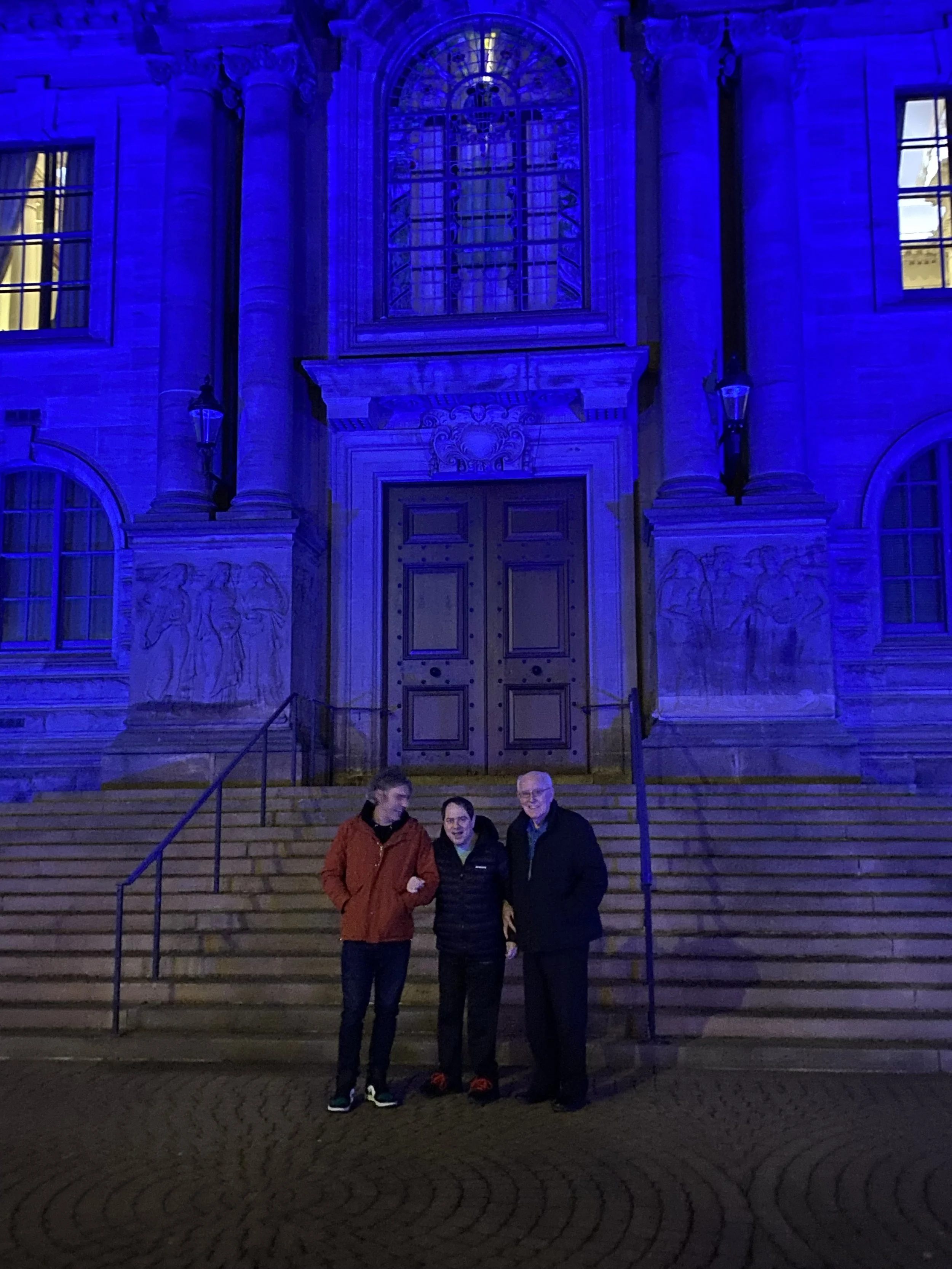
Alan and his brother, Gary
“I got the local town hall to light up blue for Angelman UK Day on the 15th February. I try to get as many landmarks onboard as possible, we even got the BT tower in London!!”
A Will is Essential, But It Is Only the Starting Point
A Will allows you to choose who inherits your estate and who would look after your children if something happened to you. Without one, the law decides under the rules of intestacy, and decisions about guardianship may fall to the courts.
For families with a disabled child or dependent, that loss of control can be frightening.
But even with a Will in place, there is another major risk many people do not realise.
Leaving Money Directly Can Cause Harm
Many disabled people rely on means tested benefits for housing, care and day to day support. If they inherit money directly, those benefits could be reduced or stopped.
I often say this to families: you can spend your life fighting to secure the right support for your child, only for a well meaning inheritance to undo it.
Once benefits are lost, applying again can be complex and stressful. No one advocates like a parent does, and that voice may no longer be there.
This Is Where a Specialist Trust Comes In
By using the right kind of trust in your Will, you can protect your loved one’s inheritance without putting benefits at risk.
A discretionary trust designed for a vulnerable or disabled beneficiary allows trustees to hold and manage funds on their behalf. Money can be used to enhance their life, whether that is for therapies, equipment, better living arrangements or small comforts that matter to them, without handing assets to them outright.
Choosing the right trustees is vital. They must be people you trust to act responsibly and always in the beneficiary’s best interests.
I also encourage families to write a detailed Letter of Wishes. This is where you can share the personal knowledge only you have: routines, medical needs, what upsets them, what makes them feel safe, and what brings them joy. That guidance can be invaluable to future trustees.
Do Not Overlook Lasting Powers of Attorney
Planning is not only about what happens after death.
If you were to lose mental capacity during your lifetime, your partner or spouse cannot automatically make decisions about your finances or care. Without a Lasting Power of Attorney, your family may need to apply to the courts for permission to act, which can be slow and distressing.
An LPA ensures someone you trust can step in and make decisions smoothly, helping maintain stability for you and your loved one.
How iTrust121 Can Help
The work I do with families in this position is reflected in the iTrust Vulnerable solution.
This approach uses a carefully structured discretionary trust designed specifically for vulnerable or disabled beneficiaries. It is built to help protect an inheritance, preserve access to means tested benefits, and provide trustees with clear guidance so decisions are always made with the beneficiary’s wellbeing at the centre.
It can also be structured to consider the additional tax rules that apply to vulnerable beneficiaries, helping families plan in a way that is both protective and efficient.
Most importantly, it recognises that this is not just financial planning. It is care planning, legal planning and family planning, all wrapped into one.
If you are caring for a vulnerable loved one and are unsure whether your current arrangements truly protect them, I would strongly encourage you to seek advice. With the right structures in place, you can have confidence that they will be supported by the right people, in the right way, long into the future.
Please use the button below to reach out to me if my story resonated with you or a loved one. I’m happy to answer any questions you may have and to provide any additional details or support you might need.

Alan Mountford-Brown
iTrust Partner
Alan@iTrust121.com